Understanding IPTV Services: The Basics
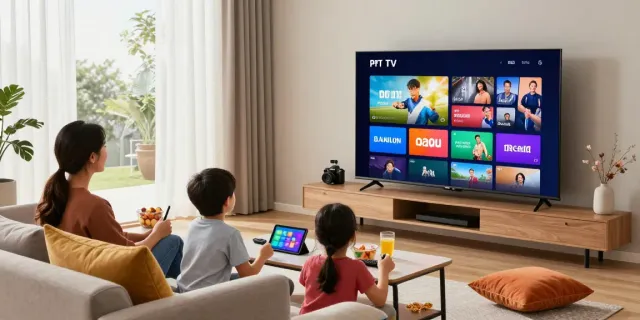
In today’s digital landscape, entertainment consumption has evolved significantly, with IPTV services leading the charge in providing users with flexibility and choice. IPTV, or Internet Protocol Television, allows users to stream television content over the internet rather than through traditional cable or satellite methods. This article delves into the nuances of IPTV and establishes why opting for a reliable Iptv Service can enhance your viewing experience.
What is IPTV and How Does It Work?
IPTV utilizes the internet to deliver television programming and other video content, breaking it down in a way that allows for on-demand access. Unlike traditional broadcasting methods, which use methods like satellite or cable, IPTV sends content through your internet connection. By using protocols that are typically associated with the internet, it allows for a smoother experience, frequent updates, and a wider selection of programming.
Types of IPTV Services Available
IPTV services can be categorized into several types:
- Live Television: This allows users to watch TV shows in real time, similar to traditional broadcast.
- Video on Demand (VOD): Users can access a library of content to watch whenever they choose.
- Time-Shifted TV: This feature enables users to watch past broadcasts at their convenience, essentially catching up on shows they missed.
Benefits of Choosing IPTV Over Traditional Cable
Switching to IPTV offers numerous advantages over traditional cable television. Users can enjoy:
- Flexibility: IPTV services allow for viewing on various devices, including smart TVs, tablets, and smartphones.
- Cost-Effectiveness: With IPTV, users often find more affordable subscription options compared to conventional cable packages.
- Diverse Channel Options: IPTV typically offers a wider variety of channels, including international options.
- Enhanced Picture Quality: Many IPTV services provide access to high-definition (HD) and even 4K content.
The Importance of Reliable IPTV Providers
While there are numerous IPTV services available, not all are created equal. The importance of selecting a reliable provider cannot be overstated, as it directly impacts the quality of your viewing experience.
Criteria for Selecting a Quality IPTV Service
When evaluating IPTV providers, consider the following criteria:
- Reliability: Look for services with high uptime percentages and minimal buffering issues.
- Content Variety: Choose a provider that offers the channels and VOD content you are interested in.
- Customer Support: Responsive customer service can be invaluable in resolving issues quickly.
- Device Compatibility: Ensure that the IPTV service works on your preferred devices and platforms.
Top IPTV Providers for 2026
The IPTV landscape is continually evolving, with various providers emerging as leaders. Here are some of the top IPTV providers for 2026:
- IPTV Level Up: This provider offers over 15,500 live channels and is known for its reliability.
- Smartiflix: With competitive pricing and a large library of content, Smartiflix is a popular choice.
- StreamView IPTV: Known for its international channel offerings, StreamView provides excellent value.
Common Issues with IPTV Providers and How to Solve Them
Despite the benefits, users may encounter challenges with IPTV services. Some common issues include:
- Buffering: This can often be mitigated by ensuring a stable internet connection and choosing lower-quality streaming settings.
- Channel Outages: Regular maintenance and updates can help, but it's crucial to choose a provider known for high reliability.
- Device Compatibility Issues: Ensure that the chosen provider supports your devices to avoid any access problems.
Enhancing User Experience with IPTV Services
A seamless IPTV experience is not only about having the right subscription; it also requires the right setup and user habits.
Best Practices for Seamless Streaming
To improve your IPTV experience, consider the following best practices:
- Use a Wired Connection: Whenever possible, connect your devices directly to your router via Ethernet to reduce latency.
- Optimize Your Internet Speed: Check your bandwidth to ensure it meets the provider's recommendations for streaming quality.
- Clear Cache Regularly: This can help maintain performance on streaming devices.
Device Compatibility and Setup Tips
IPTV services should be compatible with various devices. Here are some setup tips:
- Smart TVs: Make sure to download the appropriate app provided by your IPTV service.
- Streaming Devices: Devices like Roku, Amazon Fire Stick, and Apple TV often support IPTV applications.
- Mobile Devices: Most IPTV services offer apps for both iOS and Android, ensuring access on the go.
Creating a Personalized Viewing Experience
IPTV offers the unique advantage of customization:
- Channel Lists: Many services allow you to create personalized channel lists based on your preferences.
- Start Over Options: Time-shifting features can enhance how you engage with your favorite shows.
- Remote Recording: This feature allows users to schedule recordings directly from their devices.
Cost Analysis of IPTV Services
Understanding the cost structure of IPTV services is crucial for potential subscribers.
Average Subscription Costs and What to Expect
IPTV subscription costs can range significantly, depending on various factors such as channel offerings and service quality. On average, users may find packages starting at around $10 to $30 per month. Premium offerings can reach upwards of $100, particularly those with extensive international channels or additional features like sports packages.
Comparing Free vs Paid IPTV Options
Many free IPTV options exist, but they often come with limitations such as ads, lower quality, and fewer channels. Paid services typically provide better reliability, higher picture quality, and customer support. Thus, while free options may seem enticing, the long-term benefits of paid IPTV services are often worth the investment.
Value for Money: What You Get with Quality IPTV Services
Investing in a quality IPTV service often equates to value for money. Users can expect:
- Higher Quality Streams: Paid services often prioritize bandwidth and server stability, resulting in superior viewing experiences.
- Comprehensive Customer Support: Access to customer service can help resolve issues effectively.
- Regular Updates: Paid services typically update their offerings, presenting users with the latest content and technology.
Future Trends in the IPTV Landscape for 2026 and Beyond
The IPTV industry is poised for growth and innovation, which will shape the user experience in exciting ways going forward.
Emerging Technologies Impacting IPTV Services
As technology evolves, IPTV services are likely to integrate advancements like:
- Artificial Intelligence: AI can enhance user experience through personalized recommendations and improved content management.
- 5G Connectivity: The rollout of 5G networks promises higher speeds, enabling better streaming quality with lower buffering times.
- Augmented Reality (AR) and Virtual Reality (VR): These technologies may redefine how users interact with content, creating immersive viewing experiences.
Predictions for Content Delivery and User Engagement
In the coming years, we can expect:
- Increased Interactivity: Services will likely offer interactive features that engage users beyond passive viewing.
- Enhanced Content Diversity: More international and niche programming choices will cater to varied audiences.
- Regulatory Adaptations: Providers will need to navigate evolving laws governing broadcasting and content distribution.
Preparing for Changes in Streaming Regulations
As IPTV services grow, regulatory frameworks will continue to evolve. Users and providers alike must stay informed about local laws regarding streaming services, copyright issues, and digital rights. Being proactive in understanding these regulations is essential for a sustainable IPTV experience.