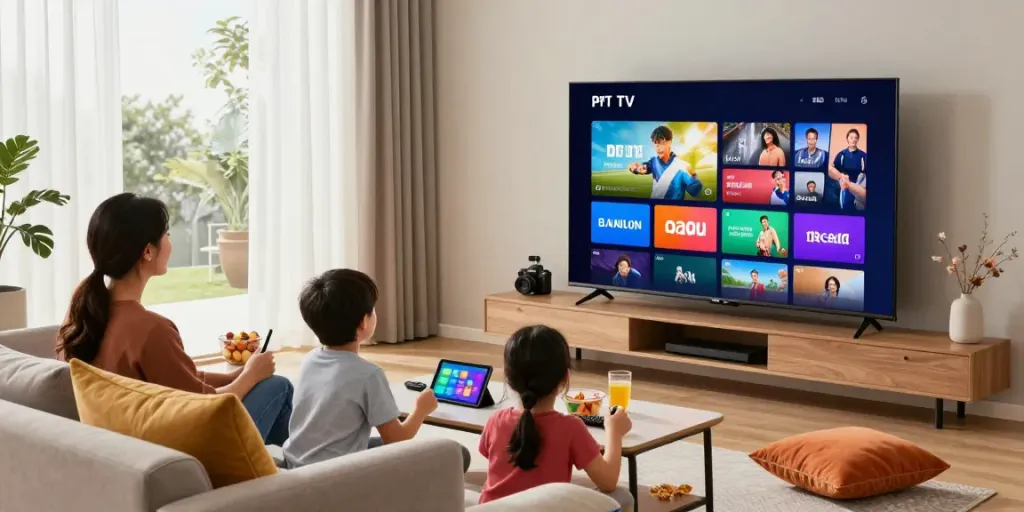
Understanding IPTV Service and Its Benefits
In today's digital age, traditional cable TV is losing ground to more versatile, user-friendly options like IPTV (Internet Protocol Television). With the ability to stream content over the internet, IPTV services have gained immense popularity for their flexibility and extensive channel selections. By integrating advanced technology and user-centric features, these services are revolutionizing how we consume entertainment.
When exploring options, Iptv Service providers not only offer a wide range of channels, including live sports, movies, and international content, but also cater to various preferences and budgets. Understanding the landscape of IPTV services can empower consumers to make informed decisions tailored to their viewing habits.
What is IPTV Service?
IPTV, or Internet Protocol Television, allows users to receive television content through the internet rather than traditional terrestrial, satellite, or cable formats. This technology converts television programming into a digital format that can be transmitted over the internet. This shift in delivery system has fundamentally changed the way viewers access and experience television.
Advantages of Using IPTV Services
- Wide Selection of Channels: IPTV services provide access to a vast array of channels, including international channels that may not be available through traditional cable packages.
- On-Demand Content: Users can watch shows and movies at their convenience, with many services offering extensive libraries of on-demand content.
- High Definition and 4K Streaming: Many IPTV providers offer high-definition (HD) and even 4K streaming options, enhancing the viewing experience.
- Cost-Effectiveness: Typically, IPTV subscriptions are more affordable than traditional cable, offering flexible pricing plans without long-term contracts.
- Multi-Device Compatibility: IPTV services can be accessed on various devices, including smart TVs, tablets, smartphones, and computers, providing flexibility for users.
Key Features to Look for in IPTV
When selecting an IPTV service, it's crucial to consider several key features:
- Channel Variety: Ensure the service offers channels that align with your interests, including local, national, and international options.
- Streaming Quality: Check if the provider supports HD or 4K streaming; buffering can detract from the viewing experience.
- User Interface: A clean, intuitive interface can significantly enhance the overall user experience.
- Customer Support: Reliable customer support is essential, especially for troubleshooting issues that may arise with streaming.
- Pricing Plans: Look for transparency in pricing and flexible plans that suit your budget without hidden fees.
Comparing Popular IPTV Providers
Top IPTV Services Reviewed for 2026
The IPTV market is saturated with various providers, each offering unique features and benefits. In 2026, some of the top choices include:
- DigitaLine IPTV: Known for its reliability, DigitaLine offers a comprehensive channel lineup with excellent customer reviews.
- StreamKing IPTV: This service stands out for its affordable pricing and extensive collection of sports channels, making it popular among sports enthusiasts.
- NovaStar IPTV: Ideal for beginners, NovaStar is user-friendly and provides a good selection of mainstream channels.
Pricing Models and Packages Explained
Most IPTV providers offer various pricing models, including:
- Monthly Subscriptions: Typically ranging from $10 to $50 per month, depending on the channel offerings and features.
- Annual Plans: Often providing a discount for upfront payment, these plans can offer significant savings over monthly subscriptions.
- Pay-Per-View (PPV): For special events, some services allow users to pay for access without a subscription.
Customer Satisfaction and Service Reliability
Reliable service is critical for customer satisfaction in the IPTV landscape. Look for providers with high uptime rates, solid customer support, and positive reviews. Platforms that frequently experience outages or have poor customer service ratings may not be the best choice for long-term subscribers.
Setting Up Your IPTV Service: A Step-by-Step Guide
Equipment Needed for Optimal Performance
To set up IPTV, you'll need basic equipment, including:
- A stable internet connection, preferably through fiber-optic or high-speed broadband.
- A compatible device such as a smart TV, streaming device (like Roku or Amazon Fire Stick), or computer.
- An IPTV-compatible app or software to access your chosen service.
How to Install and Configure IPTV Services
The installation process typically involves downloading the IPTV app on your device, entering your subscription details, and configuring your settings. Follow the service provider's guidelines to ensure a smooth setup process.
Troubleshooting Common IPTV Setup Issues
If you encounter issues during setup or playback, consider the following troubleshooting tips:
- Restart your device and router to refresh the connection.
- Ensure your subscription is active and that you've entered your credentials correctly.
- Consult the provider's FAQ or support section for specific issues or error codes.
Maintaining and Optimizing Your IPTV Experience
Best Practices for Streaming Quality
To maintain optimal streaming quality:
- Use a wired Ethernet connection when possible for more stable connectivity.
- Limit the number of devices connected to your network to reduce bandwidth usage.
- Regularly update your IPTV app to benefit from the latest features and improvements.
How to Manage and Customize Your IPTV Channels
Most IPTV services allow users to customize their channel lineup. Explore your provider's settings to create a personalized experience, including favorites lists and parental controls.
Performance Metrics: How to Measure Success
Monitor your IPTV service's performance by tracking metrics such as streaming quality, buffering rates, and uptime. These indicators can help you determine whether your provider meets your expectations over time.
The Future of IPTV Services: Trends for 2026 and Beyond
Emerging Technologies in IPTV
The IPTV landscape is continually evolving with innovations in technology, such as:
- Artificial Intelligence (AI): Enhanced content recommendations based on user preferences and viewing habits.
- Virtual Reality (VR): Potential for immersive viewing experiences that could change how content is consumed.
- Cloud-Based Services: Offering more flexibility in content delivery and storage solutions.
Predictions for IPTV Market Growth
As internet speeds increase and consumer preferences shift towards streaming, the IPTV market is projected to grow significantly. Innovations will likely result in more competitive pricing and enhanced user experiences.
Regulatory Changes Impacting IPTV Services
Governments are increasingly scrutinizing IPTV providers regarding copyright laws and broadcasting rights. Staying informed about regulatory changes will be crucial for consumers and providers alike.
Is IPTV Legal in the USA?
In the USA, the legality of IPTV services depends on whether the content being provided is licensed. Legal IPTV services, such as Hulu, YouTube TV, and others, have the necessary rights to distribute their content, while illegal services may face legal challenges.
How Much Does an IPTV Subscription Cost?
The cost of IPTV subscriptions varies widely based on channel offerings and additional features. Generally, users can expect to pay between $10 and $50 per month, with some premium services costing more.
Can I Get IPTV in the USA?
Yes, many IPTV providers are available in the USA, offering various packages that cater to different viewing preferences and budgets. Researching and comparing services can help you find the best fit for your needs.